Dec 9, 2025
·
Design
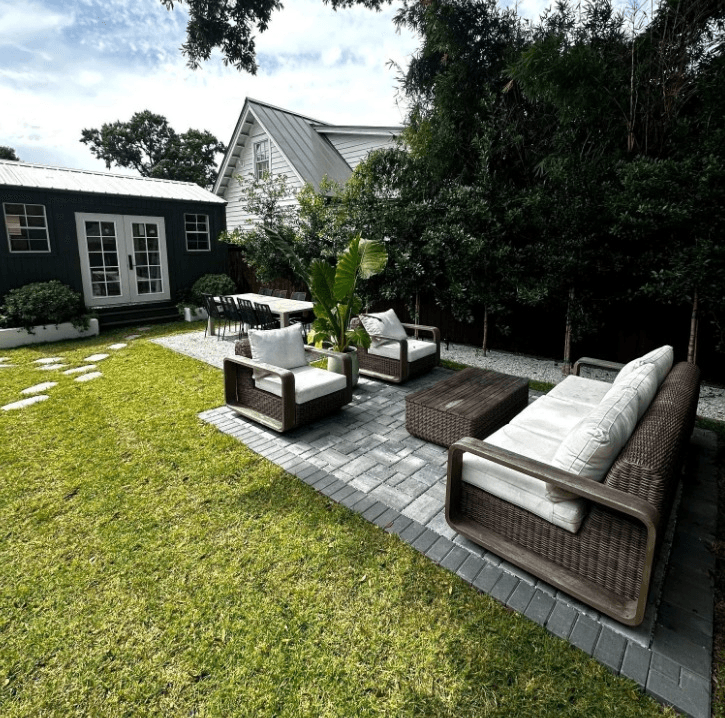
How to Choose the Right Color Theme for Your Backyard Project (Plants, Pavers & Materials That Match Your Home)
Create a yard that feels intentional, coordinated, and built to match your home’s style.
One of the biggest design mistakes homeowners make is choosing pavers, plants, mulch, and materials without thinking about how everything ties back to the house.
A backyard should look like a natural extension of your home — not an afterthought.
Here’s how to pick the right color palette for your Charleston outdoor living project so everything feels clean, modern, and cohesive.
1. Start With Your House Color — It Determines Everything
Your home’s exterior sets the foundation for your entire color scheme.
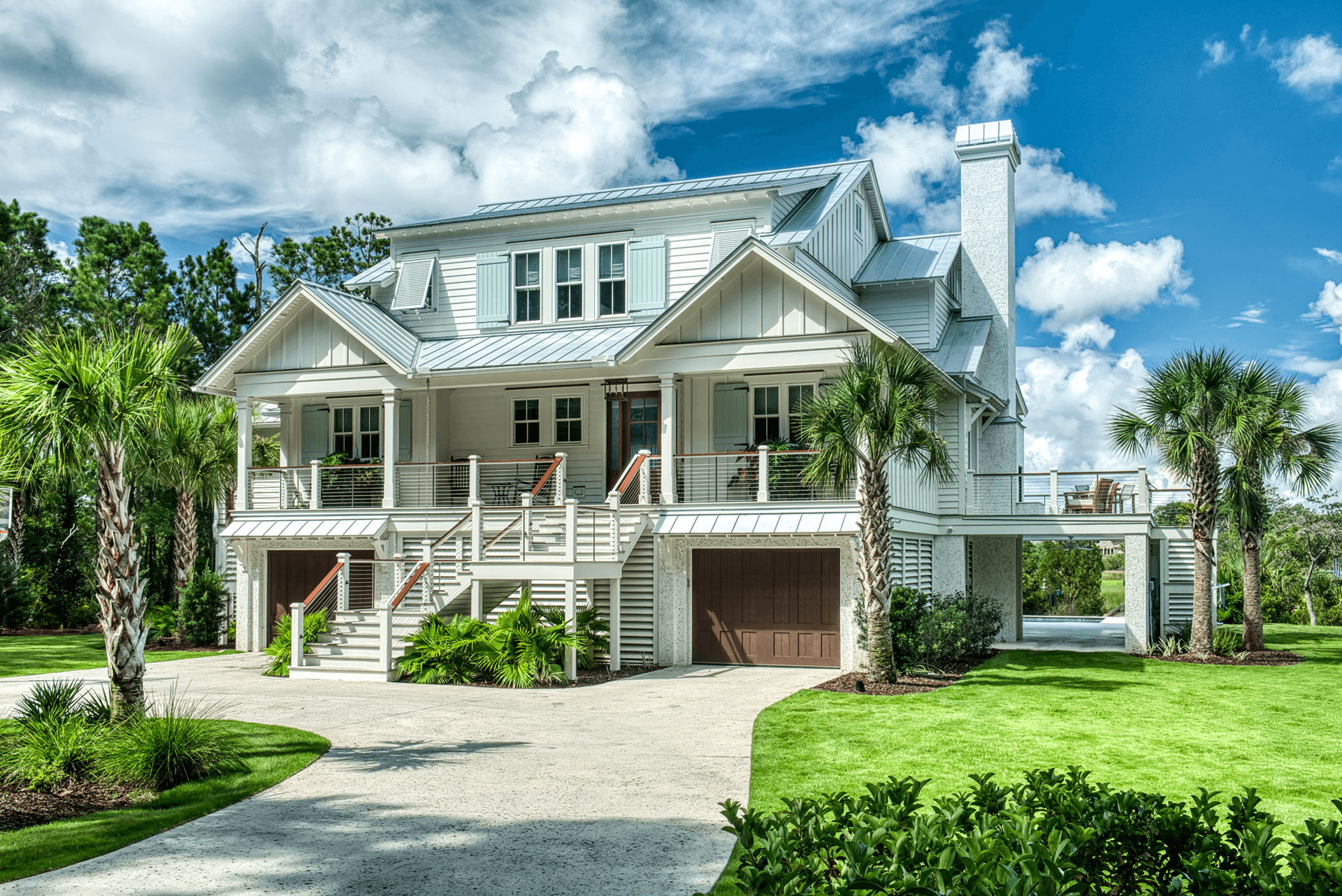
If your home is gray, white, blue, or neutral:
✔ Choose cool-toned pavers (charcoal, gray blends, limestone colors)
✔ Use modern plants like palmettos, grasses, boxwoods
✔ Choose black, white, or stainless steel accents
✔ Add warm wood tones for balance
This creates a coastal-modern Charleston look.
If your home is tan, beige, brick, or warm-toned:
✔ Choose warm pavers (sandstone, browns, tans, blended earth tones)
✔ Use plants with deeper greens or burgundy accents
✔ Choose bronze or brown lighting fixtures
✔ Incorporate natural stone or warm timber
This gives a timeless Lowcountry aesthetic.
If your home is a mix of materials (brick + siding + stone):
Pull colors from the dominant material, not the strongest color visually.
2. Choose Paver Colors That Won’t Fight Your Home’s Palette
Paver colors should compliment, not compete.
Best paver colors for Charleston homes:
Gray or White House:
Champlain Grey
Nickel Grey
Onyx Black (as an accent)
Blu 60 Shale Grey
Tan or Cream House:
Harvest Blend
Sandstone
Sable
Brown/charcoal blends
Brick House:
Coal/charcoal borders + tan/gray field pavers
Warm blends (Sable or Toasted blends)
Limestone grey to modernize the red
Avoid extremely busy multicolored pavers
They can make your yard look dated.
Smooth, clean tones are more modern and photograph beautifully.
3. Use a Two-Color System (This Always Works)
Every high-end backyard design uses:
1 Main Color (pavers)
1 Accent Color (border, wall cap, furniture, planters)
Example themes:
Modern Coastal:
Main: Light grey
Accent: Charcoal
Plants: Zoysia, boxwoods, dwarf palms
Furniture: Black + natural wood
Warm Traditional:
Main: Sandstone
Accent: Brown/charcoal
Plants: Hydrangeas, azaleas, crepe myrtles
Furniture: Bronze + tan cushions
Clean Minimal:
Main: Smooth light pavers
Accent: Black steel
Plants: Grasses, ferns, olive trees
Furniture: White + wood
This is an easy way for homeowners to choose without getting overwhelmed.
4. Match Plants to the Material Palette
Plants aren’t just greenery — they’re part of the color scheme.
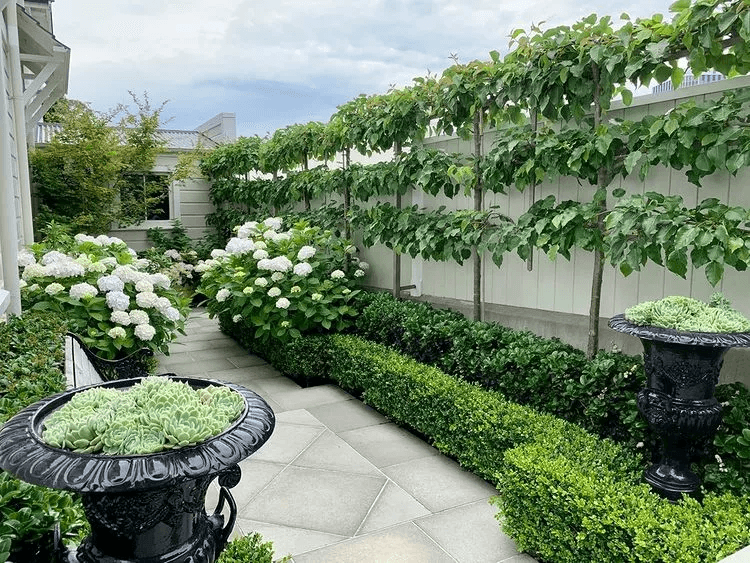
If you're using cool-toned pavers:
Use plants with:
blue-green foliage
deep greens
white flowers
grasses with clean lines
Great Charleston picks:
Palisade Zoysia, boxwood, foxtail ferns, white lantana, little gem magnolia.
If you're using warm-toned pavers:
Use plants with:
warm greens
bronze or burgundy accents
soft pinks, reds, or yellows
Great Charleston picks:
Loropetalum, hydrangeas, azaleas, knock-out roses, sweetgrass.
5. Don’t Ignore Your Roof Color
This is one homeowners almost always forget.
Your roof color influences how the whole exterior reads.
So match your paver tones accordingly:
Black roof: use deeper charcoal accents
Brown roof: stick with tan and sand blends
Gray roof: pairs well with almost any modern paver
Metal roof: use clean, modern colors
A yard that matches the roof looks intentionally designed.
6. Use Lighting to Tie Everything Together
Warm white lighting (2700k–3000k) looks best on ALL Charleston homes.
Avoid blue-toned LEDs — they make everything look cold and washed out.
Lighting also reveals color at night, which is how most homeowners actually use their space.
7. When in Doubt, Go Neutral + Add Contrast
The safest formula:
Light neutral paver
Dark charcoal border
Soft green plants
Natural wood or black metal furniture
This combo works for modern, traditional, coastal, and transitional homes.
8. What NOT to Do
Avoid:
Mixing too many colors
Using a busy paver next to a busy house exterior
Matching warm pavers with cool roof colors
Choosing mulch that clashes with the patio
Combining brick, stone, and pavers with no shared palette
Less is more.
Consistency = luxury.
Final Thoughts
Choosing the right color theme is one of the most important parts of designing a beautiful backyard. When the pavers, plants, home exterior, and accents all match, your yard feels intentional, high-end, and architecturally connected to your home.
If you want help choosing materials and creating a custom color palette for your Charleston home, we’d love to help.
📲 Text or call 845-300-5088 to get started with a full design consultation.