Dec 8, 2025
·
Landscape
What to Do If You Have a Shady Yard in Charleston Where Grass Won’t Grow
Your step-by-step guide to fixing patchy, muddy, or dead grass in shaded Lowcountry yards.
Charleston homeowners run into this problem all the time:
Your backyard gets too much shade — from oak trees, neighboring homes, or fences — and the grass just refuses to grow.
You reseed.
You re-sod.
You fertilize.
You water.
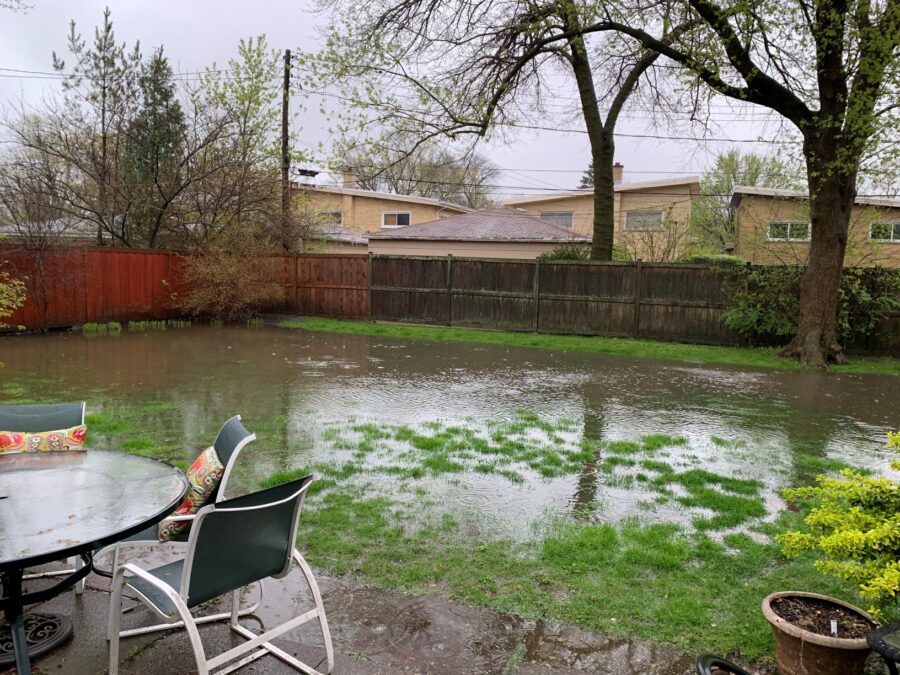
And you end up with the same thing: thin, patchy, muddy grass that never fills in.
Here’s the truth:
It’s not your fault.
It’s the conditions.
And once you understand what shade does to turf, fixing the problem becomes much easier.
1. Know This: No Grass Will Grow in Heavy Shade
This is the part most homeowners don’t realize:
Even the best grasses — Zoysia, St. Augustine, Bermuda — NEED sunlight to thrive.
If your yard gets:
0–3 hours of sun: Grass will NOT survive
3–5 hours of sun: Only shade-tolerant grass might work
5+ hours of sun: Grass grows normally
Charleston has tons of mature trees and tall houses, meaning many yards get 2–4 hours of sunlight.
That’s not enough for turf.
So instead of fighting nature, you work with it.
2. Switch to Shade-Tolerant Groundcovers (Grass Alternatives)
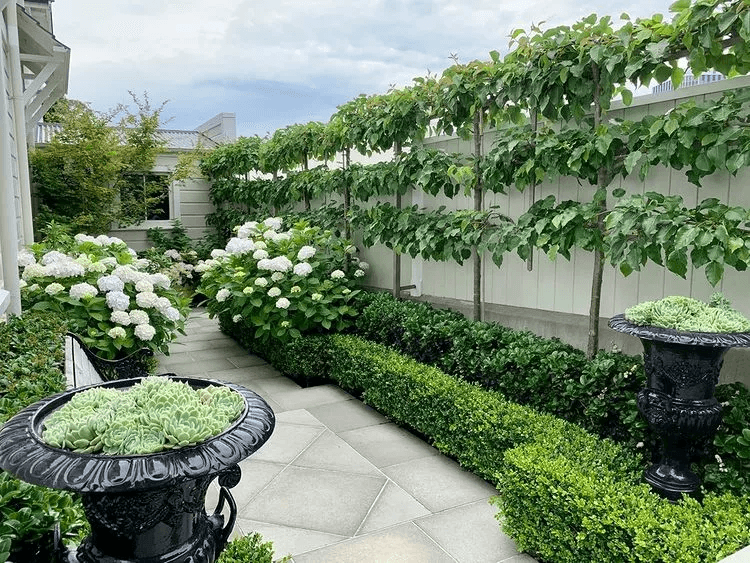
If you love a green look without constant replacement, consider:
Groundcovers That Thrive in Shade:
Asiatic Jasmine
Mondo Grass (dwarf or standard)
Liriope
Fern varieties
Sweet Woodruff
Pachysandra
These look clean, stay green, and require far less maintenance.
3. Use Hardscaping to Reduce Shady Problem Areas
If a yard area is permanently shaded and constantly muddy, turning it into usable hardscape is the smarter (and more valuable) option.
Great solutions:
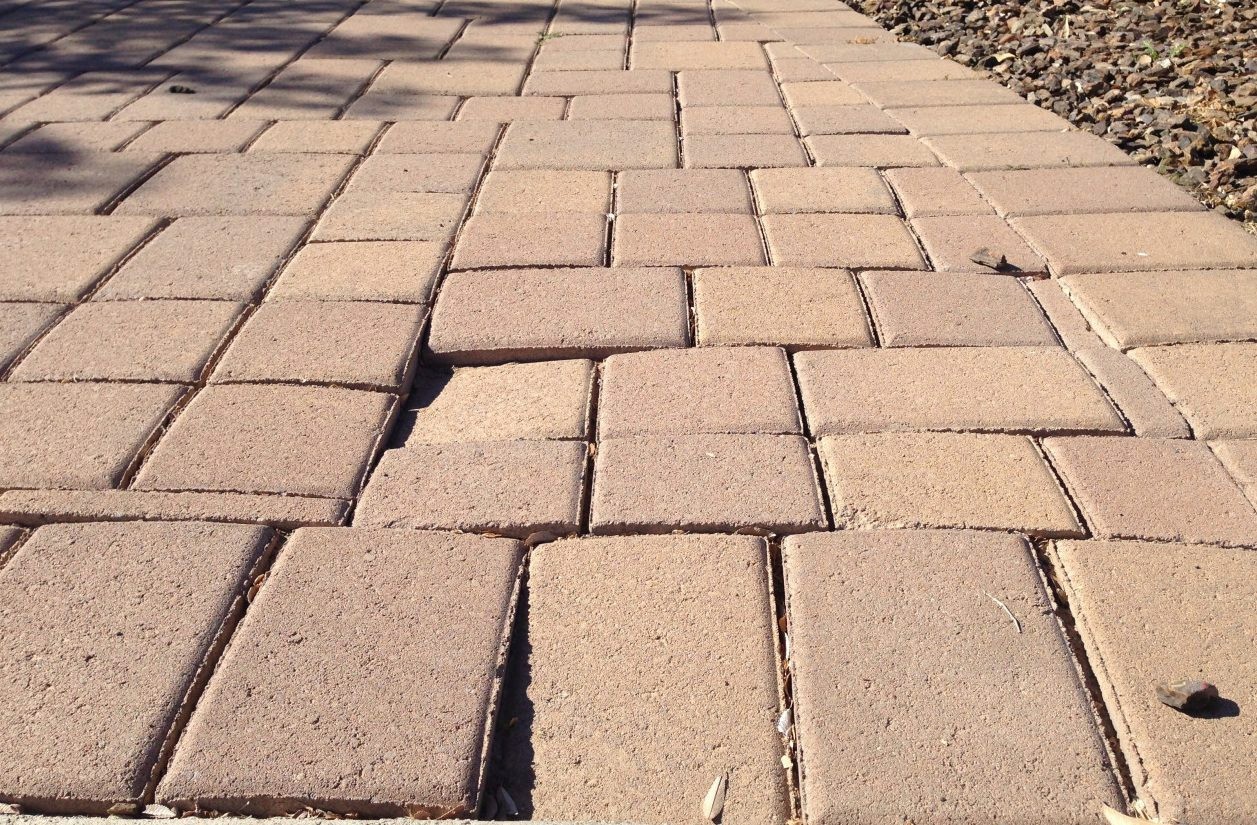
a small paver patio
a stepping stone pathway
a modern gravel area
a fire pit zone
a retaining wall + planting beds
a paver extension added under tree canopies
Hardscaping turns wasted, muddy space into something functional.
4. Consider Synthetic Turf (Perfect for Shady Areas)
Artificial turf stays green 24/7 and doesn’t care about sunlight.
It’s ideal for:
super shaded yards
areas under trees
dog-friendly spaces
narrow side yards
It solves the problem permanently.
5. Thin Trees Strategically (Don’t Overdo It)
If your shade is caused by tree canopy, consider:
crown raising
selective limb thinning
removing heavy overhang
This creates dappled sunlight — which is enough for some grasses like Palisade Zoysia or St. Augustine.
But:
Don’t chop down half the tree thinking it will fix everything. Shade usually requires a combo of solutions.
6. Improve Soil + Drainage
Shaded areas often stay damp too long.
Fix this by:
regrading
french drains
open-graded rock under turf
compost topdressing
Drier soil = better plant performance.
7. If You Must Have Grass — Choose the Right One
In Charleston, the most shade-tolerant grasses are:
🥇 St. Augustine — Best for partial shade
🥈 Palisade Zoysia — Needs 4–5 hours of sun minimum
🥉 Centipede — Only tolerates VERY light shade
If you don’t meet the sunlight levels, no grass will survive.
Final Thoughts
A shady yard doesn’t have to be a frustrating, muddy mess.
Once you understand the limitations of sunlight, you can redesign the space into something:
beautiful
usable
low maintenance
long lasting
valuable
Whether that’s turf, groundcover, hardscaping, or a mix of everything — the key is designing with the shade, not against it.
If you want help reimagining your shaded Charleston yard,
📲 Text or call 845-300-5088 to schedule your design consultation.